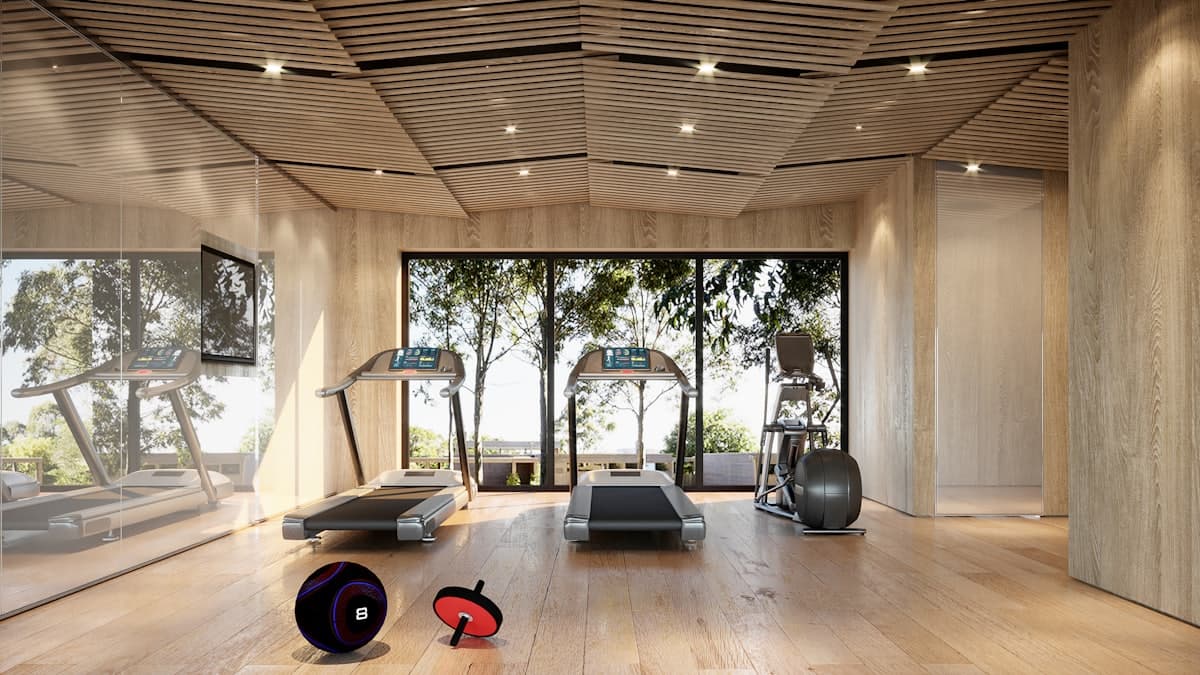
Why boutique studios keep gaining ground across LATAM
Boutique studios keep taking share from traditional gyms because they solve something big-box formats don't: a curated experience, a specific format (reformer pilates, indoor cycling, functional training, crossfit boxes), and a recognizable community. Upfront capital per location also runs lower than a large-format gym, which has let the model replicate quickly across the highest-income neighborhoods of Mexico City, Bogotá, Buenos Aires, Santiago, and Lima.
Discovery has shifted channels: fewer clients arrive through traditional advertising and more through Instagram and TikTok, where a studio's own content — classes, coaches, member results — now functions as the main lead generator. That favors boutique studios with a clear visual identity over generic chains, and explains why so many new studio owners go straight to the boutique format instead of opening a traditional gym.
Recovery is arriving in LATAM, a couple of years behind
Recovery — sauna, cold plunge, compression therapy, percussion, assisted stretch — is already an established category in the US and is starting to show up in the premium neighborhoods of LATAM's biggest cities, typically two to three years behind markets like Los Angeles or Miami. It's still a small segment, but it's growing faster than traditional boutique fitness in the highest-income zip codes.
Most studio owners in the region aren't opening standalone recovery studios — they're adding a recovery corner (infrared sauna, compression boots) to an existing boutique studio as a complementary, separately-billed or premium-membership service. It's a way to raise average ticket without depending on selling more classes in the same peak hour, which tends to be any studio's scarcest resource.
Longevity is pulling wellness away from a purely aesthetic pitch
The longevity narrative — training strength and mobility to age well, not just to look a certain way — is entering boutique studio marketing across LATAM, and it's bringing in a customer the segment historically underserved: adults 45 and older with real spending power but little interest in the aesthetics-driven fitness marketing of the last fifteen years.
That shows up in concrete formats: strength training for women in perimenopause and menopause, mobility and balance classes, and programs that talk explicitly about long-term health rather than body composition alone. Studios capturing this demand early tend to pair the longevity message with objective data — strength, mobility, attendance — rather than aesthetic before-and-afters.
Corporate aggregators are a demand channel, not a business model
Corporate wellness platforms like Wellhub and TotalPass are becoming a real acquisition channel for boutique studios across LATAM, converting large-company benefits budgets into visits at small studios that wouldn't otherwise have access to that corporate customer. The common mistake is treating them as a stable revenue base instead of an acquisition channel with its own rules around capacity and margin.
Studios that get value from these aggregators without cannibalizing direct memberships tend to cap the number of aggregator visits during peak hours and use the channel mainly to fill off-peak slots and win new clients who later convert to direct membership. We go deeper on this in a separate piece on how Wellhub and TotalPass actually work for a studio.
Where is AI actually showing up in studio customer service?
AI isn't entering LATAM's boutique studios through training itself — AI-generated programming, movement analytics — it's entering through customer service, and specifically through WhatsApp, the channel where the region's wellness customer already lives. Conversational agents that answer schedule questions, confirm bookings, send reminders, and re-engage inactive clients are starting to replace processes that used to depend on a front-desk person answering message by message.
Adoption is still early, but the pattern repeats: studios that automate repetitive conversations — schedules, availability, reminders — free up front-desk time for what actually needs a human: resolving a complaint, selling a new membership, handling a client in person. Ollynk AI, the platform's native conversational agent, is one example of this trend applied directly to bookings and payments over WhatsApp.
What to actually do with these trends in 2026
No single trend on its own justifies a strategy change. What's worth doing is checking each one against your city, your customer segment, and your real capacity before investing in it.
- If your city already has premium recovery options, evaluate adding a complementary service before opening a standalone space
- Check whether your current community includes 45+ clients and whether your marketing actually speaks to them
- Treat corporate aggregators as an acquisition channel with a capacity cap, not as base revenue
- Audit how many repetitive WhatsApp conversations your team is handling manually each week
- Prioritize automating the channel your customer is already on (WhatsApp) before opening new ones
Frequently asked questions
What's the strongest trend in LATAM boutique fitness for 2026?
There isn't one dominant trend — what's happening is three movements at once: boutique consolidating share from traditional gyms, recovery and longevity emerging as new categories, and customer service automating through WhatsApp. Which one matters most depends on the studio's city and customer segment.
Is it worth adding recovery services to a boutique studio?
It depends on the disposable income in your area and whether you already have a recurring client base that would pay for a complementary service. Adding a recovery corner (sauna, compression) is usually more viable than opening a standalone space, since it leverages the community you've already built instead of acquiring a new customer from zero.
Do I need my own app to compete with aggregators like Wellhub or TotalPass?
Not necessarily. Most boutique studios in LATAM aren't competing with those aggregators on infrastructure — they use them as an additional acquisition channel while keeping direct sales (packages, memberships) on their own booking and payment system, usually accessible over WhatsApp rather than a dedicated app.